

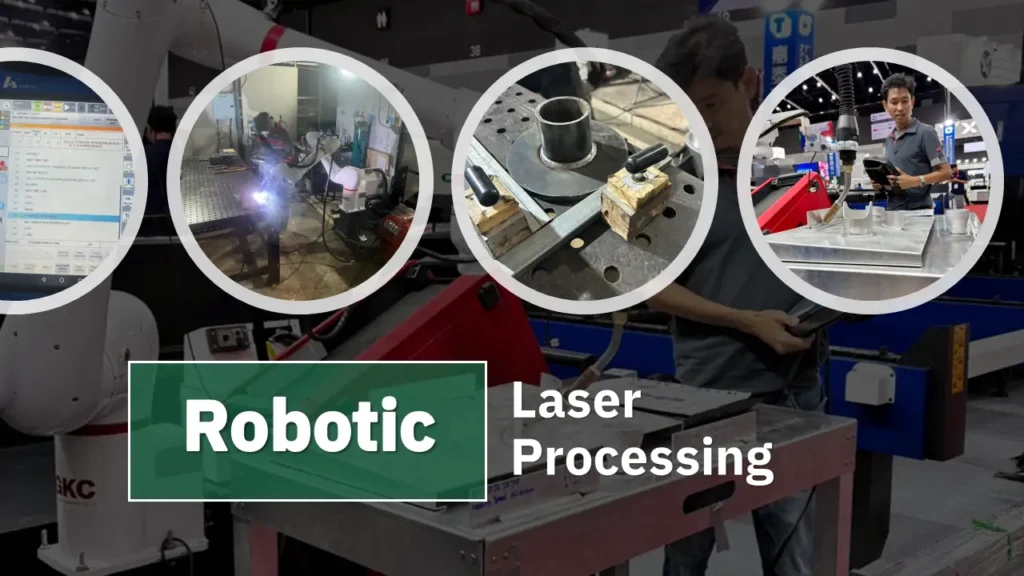
Robotic laser technology combines an industrial robot arm with a laser source to perform high-precision manufacturing tasks such as cutting, welding, drilling, or marking. The robot’s multi-axis movement (6 axes or more) allows it to work effectively with complexly shaped workpieces.
Our work
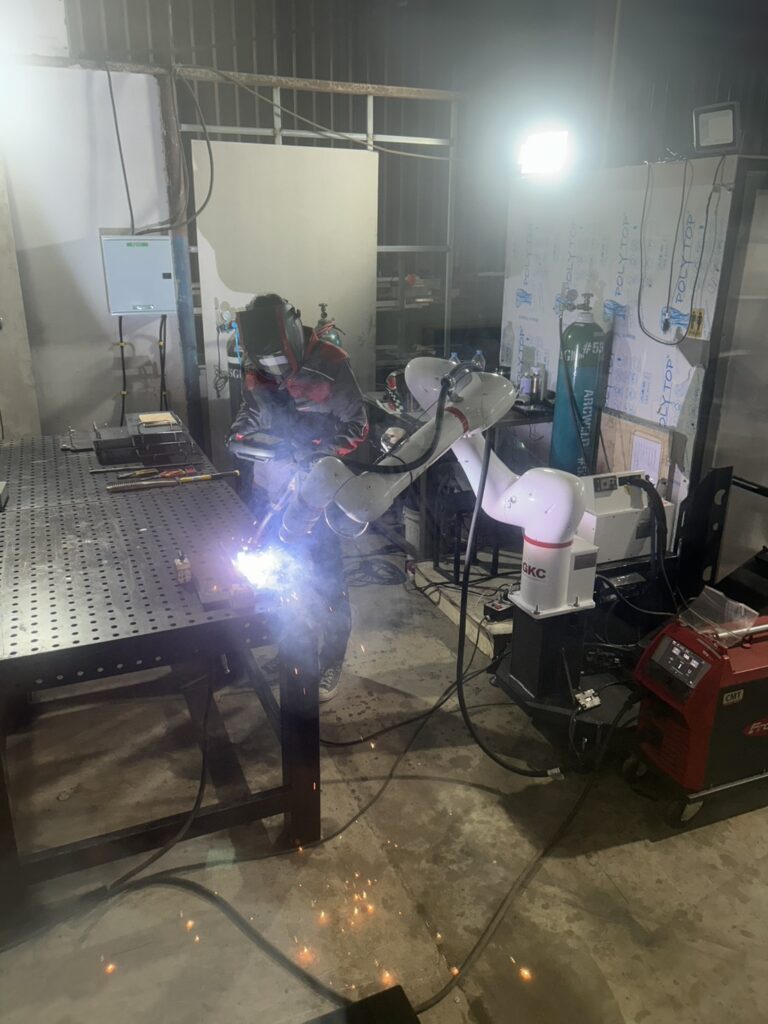
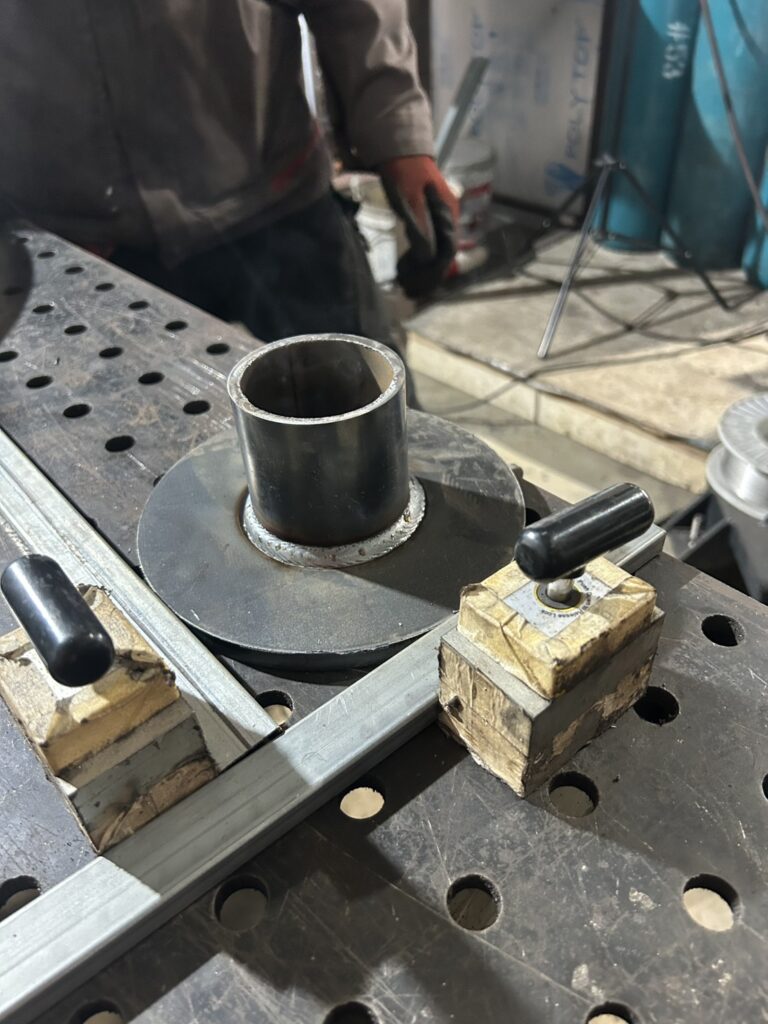
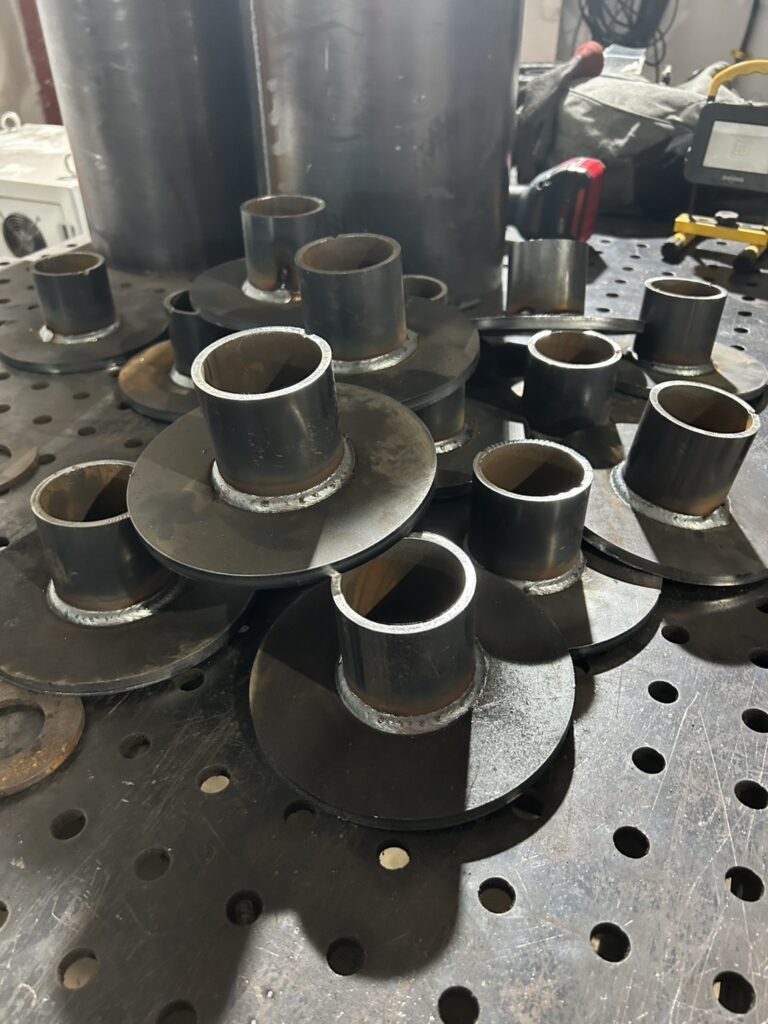
Types of laser applications commonly used with robots.
- Laser Cutting:
Cutting metal sheets or 3D workpieces such as steel, stainless steel, and aluminum. - Laser Welding:
Welding workpieces with narrow, strong welds and minimal warping. - Laser Marking/Engraving:
Marking logos, serial numbers, and QR codes. - Laser Drilling:
Drilling small holes with high precision.
Advantages of robotic laser treatment
- Very high accuracy (excellent repeatability)
- Supports 3D modeling and complex shapes
- Increases production speed and reduces manual labor
- Consistent quality, reduced waste
- Flexible production, quick program changes
Limitations you should be aware of
- High initial costs (robot + laser source + safety systems)
- Requires robot and laser programming experts
- Maintenance and spare parts costs
Which industries is this suitable for?
- Automotive industry
- Metal parts and structures
- Electrical appliances
- Metal furniture
- Electronics and high-precision components